Vendors Are Still People
I know we're vendors, but vendors are still people.
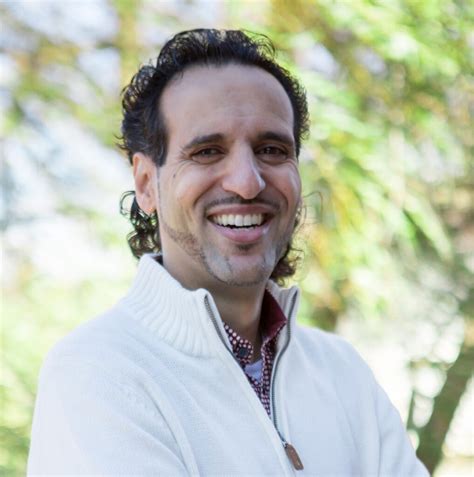
Founder & CEO, Justice Bid
They had been talking for six months.
Omar Sweiss and his team had met the prospect in person. They had run through the systems together, walked through onboarding, done everything asked of them. “We laughed together,” he says.
Then nothing.
“Complete and utter silence. Non responsiveness to multiple people that we’ve connected with, none of them responding.”
He is careful to separate this from the ordinary indignities of selling. “Look, cold call, cold email, they ignored us. That happens all the time. Nobody takes that hard.” What bothered him was different, and the analogy he reaches for lands immediately.
“Let’s imagine you’re dating someone for months. Then all of a sudden they don’t call you, they don’t talk to you, they don’t respond to your texts, emails, calls.”
Losing the deal was not really the point. “Not that we didn’t win the business. It disturbed me that that’s how people treat people. At the end of the day, it’s human beings.”
“I know we’re vendors, but vendors are still people.”
There is a second half to the story. The salesperson who had carried the relationship took it personally, so Sweiss sat down with him, not to console him but to be specific about what had happened. “He’s been a great servant partner to that prospect the entire time. He went above and beyond, and the end result is nothing of his doing.”
People buy from people, and money changes people
His view of why this matters is not sentimental. It is commercial.
“People buy products, but they buy it from people,” he says. “They’ll never buy a product, even if they love it, from somebody they don’t like.”
His example is a department store. Walk into Macy’s, have one rude interaction at the front desk, and the damage is done. “The next 50 employees can be wonderful people, caring people. But because of that one example, it can really reflect poorly on the business.”
Which raises the obvious question of why so much selling feels like the opposite. His answer points at the balance sheet.
“With VC money behind a lot of companies, there’s a lot of pressure to sell, sell, sell, meet these revenue targets, and oftentimes they can put a lot of undue pressure on salespeople to push so hard that maybe that human side is somewhat minimised. That’s where you’ll see a lot of aggressive sales tactics.”
Justice Bid does not carry that pressure. “We’re self funded, and I’m very proud to say that.” Which buys him a growth philosophy he states without hedging: “I like to grow organically. I like to grow responsibly. I like to grow in a way that exceeds our customers’ expectations.”
Not partners. Co-innovators.
Every company says its customers are partners. Sweiss thinks the word is too weak and has replaced it.
“I call them our co-innovators. They’re not partners. They’re more than just partners.”
The distinction is about responsibility rather than warmth. “It gives them an active responsibility in the formation, in the path, in our roadmap of who we are and what we do and how we evolve.”
That only works if the feedback is allowed to be unflattering, which he actively recruits for. “I’m not looking for yes men on my team, yes women. I’m not looking for yes clients. I’m looking for men and women and clients that want to help us keep getting better.”
Leading with heart, against advice
Ask about leadership and Sweiss goes somewhere most chief executives do not.
“Leaders are trained to use logic, as you should, to a degree. You’re trained to think about the facts, as you should, to a degree. But we’re not really taught about the emotional intelligence piece of it. The heart piece.”
What he wants is not deference. “Leaders get people to want to stand behind them and say, I am with you. I am by your side, not behind you.”
He is explicitly rejecting a model of leadership he has been sold repeatedly.
“I know some people say the leader has got to feel like he’s above everybody else, like this rock star that everyone looks up to. For me, the best leaders are the ones that make the folks on their team feel like they’re peers, at the same level. Even though you might be the CEO and the founder.”
He has been told this is a mistake more than once. “One time someone told me the best CEOs have the biggest egos in the world. And I disagree with that. Some people even told me, you have to. I’m like, no, I don’t. I actually don’t.”
Friends push back on how he operates. “But you’re the boss man, you shouldn’t be doing this.” He is unbothered. “A CEO should be doing that, if he cares about his people.”
He deliberately does work his own team is doing, “so they feel like nothing is beneath me, but also, if I’m pushing you to another level, I’m subjecting myself to that too”. And when someone struggles, firing is not the reflex.
“I hired you for a reason. I saw something in you. Part of my job is to cultivate what I saw in you, not just to sit back and expect it.”
Ten customer calls a week
The clearest expression of all this is a rule he keeps as the company grows.
“Part of my job as CEO is that I love to get on customer calls. I like to get on at least ten customer calls a week, at least. And that includes prospects.”
He knows this is not what founders at his stage are told to do.
“Oftentimes I see, as companies grow, the CEOs disconnect themselves from that. Now they’ve got the sales team, the VP of sales, and they’re like, all right, I’m only focusing on hiring and raising money.”
He heads off the obvious objection. “It’s not that I don’t know how to delegate. I delegate very well. It’s about being close to the business, and as you continue to detach from it, you lose sight of the business.”
“Servant leadership isn’t just to your team. It’s also to your customers and prospects. I want to hear what they’re going through. I want to feel their pains and what their day to day looks like.”
What the billable hour does to people
The last thing he is exercised about is how his industry charges, and it is really the same argument again.
Sweiss wants legal work billed on outcomes. “I believe you should have it outcome based, value based, versus just input based hours.” He has felt the alternative as a customer. “I got a bill from an attorney recently where every little call was being tracked by the minute. An email sent. And I’m like, really?”
What animates him is the human cost. Big law, he points out, routinely means six day weeks and fourteen hour days. “There’s so much burnout that has led to so much depression.”
He describes a conference in Chicago where an afternoon had been given over to mental wellness in the profession, and overhearing two attorneys in the hallway during the break dismissing the whole thing as marketing fluff. “I was so disappointed to hear that, because it just shows that some people don’t take it seriously.”
He is unconvinced the industry has changed. “There’s more people talking about it over the years, for sure. But have I seen the billable hours requirements change? No.” His verdict: “Mixed signals.”
-
№ 01Tell a supplier no. Omar was ghosted after six months of meetings, and the thirty seconds it would have taken to say no would have cost nothing.
-
№ 02People buy from people. One rude interaction at the front desk can undo fifty good ones further in.
-
№ 03Aggressive sales tactics usually mean somebody is carrying a revenue target they did not set. Omar stayed self-funded partly to avoid that pressure.
-
№ 04Call your customers co-innovators and give them a real say in the roadmap. The word only works if their feedback is allowed to be unflattering.
-
№ 05Stay on customer calls as you scale. Omar does at least ten a week and says detaching from the business is how you lose sight of it.
Omar Sweiss
Omar Sweiss is the founder and CEO of Justice Bid, a legal technology company serving corporate legal departments. He built the business without venture funding, still takes at least ten customer calls a week, and describes his customers as co-innovators rather than partners.